

21/5/2026
The soul of a political party is not built in a day; it is forged in the furnace of sacrifice, watered by loyalty, and cemented with the sweat and blood of faithful men and women who stood firm when the clouds of uncertainty gathered like a storm over the horizon.
The aborigines of the APC carried the party on their shoulders when it was crawling in the wilderness of political rejection. They weathered the storm, swallowed insults, endured mockery, and kept the party’s candle burning when many fair-weather politicians fled like rats abandoning a sinking ship.
But today, what do they receive in return? The very people who once stood outside the gates have suddenly become the landlords of the mansion they never built.
The converts from the PDP, who neither sowed nor watered the seed of the party, have suddenly arrived with long spoons to feast at the banquet prepared by others.
Like a man who plants no yam yet appears first at harvest, they have hijacked the structure, cornered the opportunities, and pushed the original builders of the house into the backyard as if they were strangers in their father’s compound.
Oh, what a political tragedy! What an irony of fate! The hunters who chased the lion out of the bush are now denied a share of the meat, while spectators who merely heard the sound of the gunshots have become chief beneficiaries of the victory.
The very constitution of the party, which preaches inclusivity, fairness, equity, and collective ownership, has been tossed aside like an old garment. Instead of unity, favoritism now dances naked in the marketplace. Instead of justice, oppression now wears the crown.
Those who spent their hard-earned resources to keep the party alive when it was gasping for breath are now treated as political orphans.
Men who sold their properties, exhausted their savings, trekked villages upon villages, and defended the party with unwavering courage are today looked upon as unwanted guests within the same political family they nurtured from infancy. Those who once stood like pillars are now treated like broken sticks fit only for firewood.
Even party officers who understood the ideology, vision, and philosophy of the movement have been cast aside and replaced with political tourists who know nothing about the soul of the party except the aroma of power and the fragrance of appointments. The shepherds have been displaced, and strangers now pretend to know the path through the forest.
It is like handing the steering wheel of a ship to men who cannot distinguish the riverbank from the ocean.
The oppression has become so glaring that silence now sounds like cowardice. The aborigines of the party feel betrayed, abandoned, and politically crucified. Their loyalty has been rewarded with neglect, while opportunists are decorated with honor.
This is the bitter paradox of politics — the hen that lays the golden eggs is starved, while the birds flying around the roof are fed with grains from the royal barn.
Yet, amidst this injustice, the oppressed are still expected to sing songs of loyalty.
How can a man continuously clap for those who keep cutting off his fingers? How can one expect undiluted allegiance from people who have been treated like strangers in their ancestral home? Even the tortoise, known for patience, withdraws into its shell when repeatedly struck.
Loyalty is earned through fairness, not enforced through intimidation.
A party that neglects its foundation risks watching the entire structure collapse like a house built on sand. When those who labored day and night to nurture the party are continually humiliated, resentment begins to grow like wildfire in the harmattan. Political history has taught us repeatedly that injustice is a ticking time bomb; when it explodes, even the mighty tremble.
The APC aborigines are not asking for charity; they are demanding recognition, inclusion, and justice. They seek not to enslave the converts, but to coexist under the banner of fairness. For no river forgets its source, and no tree survives long after cutting off its roots.
A political party that abandons its loyal foot soldiers while glorifying opportunists is simply digging its own grave with golden shovels.
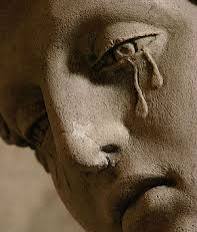
Indeed, “the stone rejected by the builders may someday become the cornerstone.” The tears of the oppressed may water the soil today, but tomorrow they may germinate into a harvest of political awakening.
For history never forgets those who built the bridge after others have crossed the river.
Mmenyene-obong Udosen.