By Julius Nsikak
On a humid Tuesday morning in Uyo, 45-year-old Mrs Comfort Godwin wheeled herself towards Akpan Andem Market along Udo Umana Street, determined to shop for her family. A wheelchair user since childhood, she wanted to do something simple, buy foodstuffs independently.
But at the market entrance, she met the familiar barrier: a raised, uneven step, high and inaccessible. With no ramp in sight, she was left waiting until two young men offered to lift her inside.
“I come here often because it is close to my house,” she said softly, her embarrassment clear. “But every time, I depend on strangers. It feels like I cannot live a normal life in my own city.”
Inside, the experience was no better. Narrow walkways clogged with traders’ wares, stalls built at heights unreachable from a seated position, and the absence of guiding paths for the visually impaired made shopping independently almost impossible.
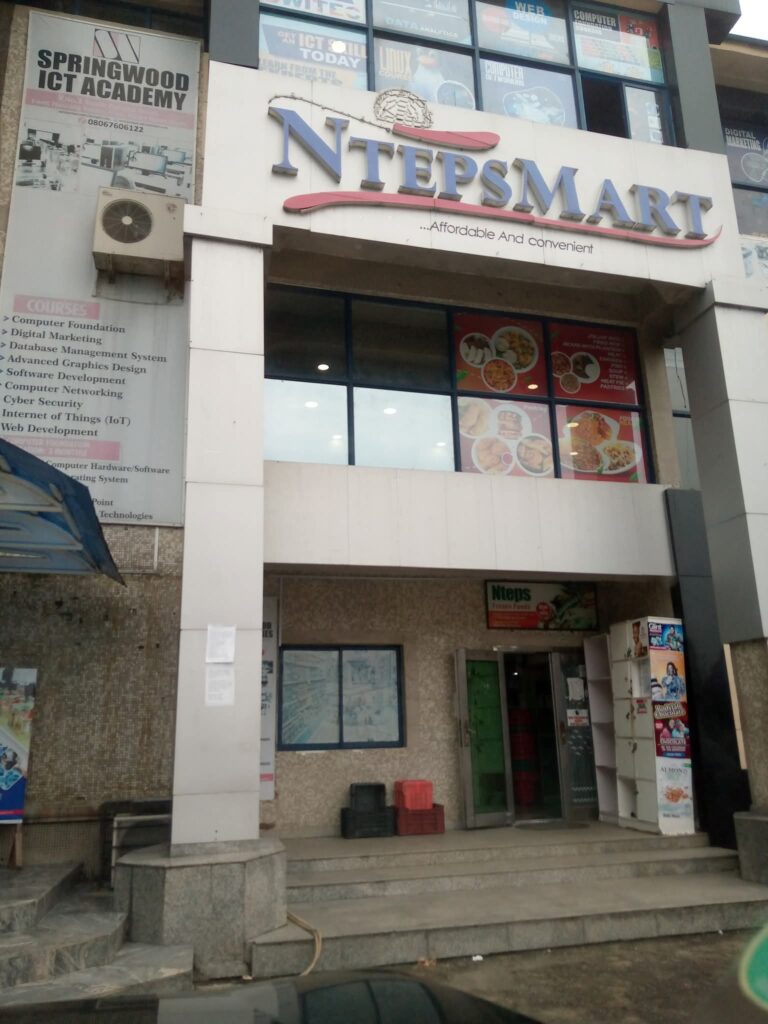
Comfort’s story is far from unique. Across Uyo metropolis, from Akpan Andem to Itam Market, and even inside air-conditioned supermarkets such as NTEPSMART (popularly known as Nteps Supermarket) at Ewet Housing Estate, and HANGERS Supermarket at 91 Abak Road, Persons with Disabilities (PWDs) encounter the same challenges. Ramps are non-existent or dangerously steep, entrances are poorly designed, and access points are often blocked by parked cars.
“This environment tells us we are not welcome,” said Nsikak Asuquo, another wheelchair user. He explained that he often sends his younger sister to buy personal items he would prefer to choose himself. “I cannot enter without help. It makes me feel limited and unwanted.”
The contradiction is glaring. Nigeria’s Discrimination Against Persons with Disabilities (Prohibition) Act, passed in 2019, mandates all public buildings to meet accessibility standards. Yet six years later, Uyo’s commercial spaces remain largely non-compliant, denying thousands of PWDs dignity, independence, and the chance to participate fully in economic life.
For the visually impaired, the barriers are just as frustrating. With no tactile paths or signage, many depend on relatives or sympathetic traders to navigate. “My experience at both markets and supermarkets has never been easy,” said Udeme Ekanem, who is visually impaired. “There should be inclusive infrastructure so that we can access these places on our own.”
The irony is that even supermarkets designed to appear modern, with electronic checkouts and climate-controlled halls exclude many. Narrow aisles, steps at entrances, and the absence of ramps mean customers with mobility impairments are effectively shut out.
“It is not that we do not want to shop for ourselves,” said Emmanuel, a wheelchair user who frequents Uyo’s city centre. “But the environment is saying we are not welcome. We depend on others to do the simplest things.”
The United Nations’ Sustainable Development Goal 11 seeks to ensure that cities and human settlements are inclusive, safe and sustainable. Among its requirements, Member States are mandated to provide universal access to safe, inclusive and accessible green and public spaces, particularly for PWDs.
A tour of NTEPSMART and HANGERS supermarkets to assess accessibility revealed that these establishments remain disability-unfriendly. With the five-year transitional period for compliance under the Disability Act now expired, questions arise: Who is enforcing the law? How committed are authorities and business owners to genuine inclusivity?
Accessible spaces do not benefit only PWDs. They also serve the elderly, pregnant women, and parents with young children. Yet in Uyo today, inclusivity remains more of a slogan than a lived reality.
HOW A MODERN AND INCLUSIVE MARKET SHOULD LOOK
A market should not merely be a place for buying and selling; it should be a safe, people-centred environment where everyone, regardless of age, gender, or ability can trade and shop with dignity.
1. Accessibility for All
Properly designed ramps and lifts for wheelchair users
Wide, uncluttered walkways
Clear signage in multiple languages and with pictograms
Accessible toilets designed for PWDs
2. Safety and Comfort
Adequate lighting and ventilation
Fire safety systems including exits and extinguishers
Effective waste management for hygiene
3. Inclusive Infrastructure
Reserved trading spaces for PWDs
Childcare corners for nursing mothers
Gender-friendly and disability-friendly restrooms
4. Technology Integration
Digital payment systems (POS, QR codes, mobile transfers)
Electronic display boards for prices and announcements
Free Wi-Fi access zones
5. Economic Empowerment
Training centres for digital and financial literacy
Microfinance kiosks to support small traders
Spaces for cooperative societies and fair associations
6. Sustainability
Solar energy for lighting and power
Clean water points and rainwater harvesting systems
Shaded green spaces for rest
7. Community Integration
Areas for cultural events and displays
Feedback desks for complaints and suggestions
A CALL TO ACTION: Uyo Must Choose Inclusion Now
The continued exclusion of PWDs from markets and supermarkets is not simply an oversight; it is a violation of rights and a failure of governance. The Disability Act is clear, but without enforcement and accountability, it risks becoming another forgotten law, romanticised promises turned into cosmetic emblems.
The Akwa Ibom State Government, the Ministry of Lands and Housing, and the Uyo Local Government Council cannot continue to look away while thousands of citizens are locked out of public life. Market committees and supermarket owners also share responsibility: accessibility is not charity; it is both a legal obligation and a moral duty.
If Uyo truly aspires to modernity, its markets and commercial centres must reflect it, not just with air-conditioned halls and digital tills, but with ramps, wide walkways, tactile paths, and inclusive facilities that welcome every shopper.
The time for promises is over. The government must urgently audit all markets and supermarkets for accessibility, enforce compliance with the Disability Act, and sanction facilities that exclude citizens. Anything less will keep Persons with Disabilities trapped in dependence and humiliation.
PWDs in Akwa Ibom are not asking for sympathy; they are demanding dignity, independence, and the right to participate fully in social and economic life. Until authorities and business owners act, Uyo’s bustling markets will remain symbols of exclusion, rather than true centres of commerce for all.