

By Julius Nsikak
The phased statewide oversight tour undertaken by the Akwa Ibom State House of Assembly (AKHA) Committee on Local Government and Chieftaincy Affairs between 26 June and 17 July 2026 was more than a routine legislative assignment. It was a practical demonstration of the Assembly’s constitutional responsibility to scrutinise governance at the grassroots and ensure that public resources are utilised for the benefit of the people.
Covering all 31 local government councils, the exercise provided lawmakers with the opportunity to engage directly with council administrations, assess completed and ongoing projects, and evaluate the pace of development across communities.
Legislative oversight remains one of the strongest pillars of democracy. While the legislature is empowered to make laws and represent the people, its oversight function serves as an important mechanism for promoting accountability, transparency and responsible governance. Without effective oversight, public institutions risk operating without sufficient checks, ultimately weakening public confidence.
The inspection came at a period when local governments are receiving improved statutory allocations following reforms aimed at strengthening financial autonomy. This development has raised public expectations that councils should deliver more visible infrastructure, improve essential services and respond more effectively to the needs of their communities.
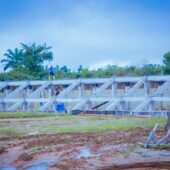
The projects presented during the tour suggest that many councils are making efforts to meet those expectations. Road construction, healthcare facilities, educational support, agricultural initiatives, rural electrification, water projects, legislative complexes and youth empowerment programmes featured prominently during the inspections.
These projects, if properly executed and maintained, have the potential to improve the living conditions of residents and stimulate development across rural communities.
One of the strengths of the oversight exercise was the opportunity it created for direct interaction between lawmakers and council administrations. Beyond inspecting projects, the engagements enabled the committee to assess implementation challenges, encourage improved service delivery and reinforce the importance of accountability in public office.
The committee also repeatedly reminded council chairmen that the purpose of local government is not merely to administer public funds but to improve the welfare of the people through effective governance and sustainable development.
However, the tour also highlights the need for oversight to remain a continuous process rather than an occasional exercise. Accountability is strengthened when projects are monitored beyond commissioning, when completed infrastructure is properly maintained and when councils remain transparent in the management of public resources.
The proposed performance compendium announced by the committee is therefore a welcome initiative. If carefully prepared, it will provide a valuable record of the achievements, challenges and development priorities of the 31 local government councils. More importantly, it could serve as a benchmark for measuring future performance and encouraging greater accountability.
The Assembly also has a responsibility to ensure that recommendations arising from the oversight exercise are not left on paper. Follow-up inspections, periodic reviews and continued engagement with council administrations will determine whether the gains recorded during the tour are sustained.
Ultimately, the significance of the statewide oversight exercise lies not only in the number of projects inspected but in the message it sends. Public office is a trust, and every allocation to local government must translate into measurable improvements in the lives of ordinary citizens.
The Akwa Ibom State House of Assembly has taken an important step in fulfilling its constitutional oversight responsibility. The challenge now is for local government councils to build on the progress recorded, address identified shortcomings and ensure that governance at the grassroots continues to justify the confidence reposed in them by the people.
That, in the final analysis, is the true purpose of legislative oversight and the enduring promise of democratic governance.